Originating from Central and South America, the hot pepper is nowadays cultivated worldwide for its food and therapeutic qualities. It is a 30-60 cm high annual herbal plant. It has got different variants, both with a sweet taste and especially with a hot taste.
The fruit is red or yellow coloured, with many seeds on the inside. The ripe fruit of the plant is used both for culinary and therapeutic purposes. In a document appeared in 1493 together with Columbus' travels, the hot pepper is said to be a spice. In naturist medicine the most used variety of hot pepper is "cayenne".
Pharmacologic action: antiseptic, vitaminizing (it contains a large amount of C vitamin and of beta-carotene), it regulates the blood circulation, it strengthens the heart, the arteries and the nerves, it has an excellent anti-flue action, it eliminates pains and abscesses, it is an excellent remedy against alcoholism.
Caution! when cooked alongside other spices it is likely to give birth to burns, irritations of the digestive system and even to ulcers.
The dried up hot pepper has got exceptional healing qualities. As a powder, the hot pepper is used for quickly healing wounds. A thin layer of pepper powder cleans the wound, destroys the germs and hastens its healing process.
Another external application is the one related to sinus decongestion. On adding a little hot pepper powder in a glass of water and stirring it well, when the mixture is slowly breathed in each nostril, this one will unclog fast and the infection will be gone. Still externally, the hot pepper is an exceptional remedy for healing the infections appeared at the level of the tooth gums as well, eliminating the pains and the abscesses.
The simplest treatment is to apply hot pepper powder on the toothbrush and to gently brush those respective areas.
In order to treat alcoholism, the hot pepper tincture made from 2-3 broken up peppers macerated in 100 ml of alcohol for 15 days is used. 5-10 drops of tincture in one litre of alcohol, preferably the patient's favourite one, should be taken.
Ingesting the alcohol with the hot pepper tincture will shortly give that alcoholic person repulsion toward drinking. If during the treatment three mugs of toad's tail tea cure is additionally introduced, the alcoholic patient will quit drinking himself.
The hot pepper tincture used in frictions may re-establish the blood circulation and relieve the pains due to rheumatism, neuralgias and frostbites.
For an internal use, the tincture should be taken 20-25 drops 30 minutes before the main meals. The treatment is recommended in flus, colds, and cough.
Caution! Consuming hot peppers is forbidden in various stomachs, liver, urinary ways disorders and in hemorrhages, because they worsen the effects of the diseases, seeing that they are irritating.
The physicians that know well the therapeutic qualities of the hot peppers recommend that half a hot pepper should be taken a day in order to stimulate the nervous system and to be in high spirits.Natural treatments and application procedures:
It is made from dried up and ground hot peppers. In various treatments it heals the infections at the level of the tooth gums and the abscesses; it cicatrizes old wounds, decongests the sinuses and cures cold.
It is made from 2-3 broken up hot peppers macerated in 100 ml of alcohol for 15 days. It should be used for treating alcoholism, in frictions for relieving the pains due to rheumatism, neuralgias and frostbites.
As for its internal use, the tincture is to be taken 15-20 drops 30 minutes before each main meal. Such a tincture treats flu, cold and cough.
It is made from broken up hot pepper boiled for 15 minutes in 250 ml of water. Gargles will be performed with this tea for treating the fatigue of the vocal cords.
February 28, 2008
Kitchen Remedies - Hot Pepper


February 27, 2008
Kitchen Remedies - Ginger
Ginger has an ancient history as a culinary and as a medicinal herb, and has been used in the West for at least 3,000 years.
Ginger was well-known to the Greeks and Romans, who used it extensively. Arabian traders took it to them by way of India and the Red Sea. By the 11th century CE, it was a common trade article from the East to Europe.

Chinese and Ayurvedic practitioners have relied on ginger for at least 3,000 years for its anti-inflammatory properties, and have used it as a “carrier” herb, one that enables other herbs to be more effective in the body.
Jamaicans and early American settlers made beer from it; and today, natural ginger ales made with fresh ginger are available as a digestive tonic. These should not be confused with most commercial brands of ginger ale as these contain so little ginger that they are nothing more than sweetened soft drinks with no medicinal value.Key Components
- volatile oil (1-3% including borneol and citral – zingiberene has 20-30%)
- phenols
- alkaloid
- mucilage
- oleoresin (4-7.5% including gingerol, shogaols)
Medicinal Parts
Rhizome, essential oilScientifically, almost all of the folk beliefs have been verified. Ginger does prevent motion sickness, thin the blood, elevate low blood pressure, lower blood cholesterol, and prevent cancer in animals.
Extracts are reported to exhibit numerous pharmacological properties, including stimulating the vasomotor and respiratory centers and lowering serum and hepatic cholesterol levels.
Chinese researchers have reported that fresh ginger is highly effective in the clinical treatment of rheumatism, acute bacterial dysentery, malaria, and inflammation of the testicles.
Ginger has proven active against such organisms as malaria, Shigella dysenteriae, Staphylococcus aureus, Pseudomonas aeruginosa, Candida albicans, Escherichia coli, Klebsiella pheumoniae, Streptococcus spp., and the Salmonella spp.
Gingerol is an acrid component, responsible for most of its hot taste and stimulating properties.
The shagaols form as the plant dries and are more strongly irritant.
Ginger is not only effective for motion sickness, but it has proven to be useful in relieving postoperative nausea in trials conducted at St. Bartholomew’s Hospital in London in 1990.
According to the British medical journal Lancet, ginger seems to be more effective than some standard drugs in treating motion sickness and dizziness. They said that volunteers who took ginger were able to endure artificially created seasickness in a mechanical rocking chair 57% longer than those who used Dramamine. Another study involved Danish naval cadets prone to seasickness. The ones taking ginger were less likely to develop symptoms than those on a placebo. Typically, other studies showed the opposite effect where ginger actually induced nausea and vomiting.
Zingibain is an enzyme in ginger that has anti-inflammatory properties. There are also many antioxidants that counter inflammation as well. Other components reduce production of certain prostaglandins, thereby easing pain.
Gingerols, the substances that give ginger its pungency, are thought to be responsible for its usefulness in treating fever and pain. Its volatile oils may be natural killers of cold and flu viruses.
It is also used in controlling and relieving the nausea after chemotherapy treatments. Researchers in India, in 1997, tested this ability and found that ginger was able to increase the rate of endurance. They have found that the acetone extracts collectively known as gingerol, were responsible for increased bile production, indicating that it plays an important role in digestion and food absorption.
Some migraine sufferers reported that ginger aborted a headache if taken during the early stages. The theory is that this ability comes from substances called shogaols and gingerols, which reduce platelet clumping, thus preventing the blood-vessel inflammation that causes migraine pain.Remedies
A decoction of the fresh root is used for chills and phlegmy colds (1-2 slices per cup of water and simmer 10 min. Cinnamon can be added).A decoction of the dried root is used in combination with other herbs as a restorative for yang, or spleen energies, for abdominal fullness, nausea, and excess phlegm.
Tinctures of the fresh root are used as a warming circulatory stimulant, flatulence, indigestion, and nausea.
Capsules are made from the powdered dried root. These are a convenient way to take the herb before travelling or for morning sickness.
Essential oil is used for massages for rheumatism, lumbago, or for bone injuries and combines well with almond oil, juniper or eucalyptus oils for this purpose. It can also be used to treat flatulence, menstrual cramps, nausea, or stomach upsets but must be administered by a knowledgeable herbalist.Traditional Uses
The ginger family includes not only the official ginger but also cardamom, tumeric, and zedoary. Various Zingiber species are used medicinally but do not equal ginger for benefits, including that of Turmeric, a close relative. In Asia, all members of this reedlike family are considered good for the health. The Arabs use two other members of the same family, galanga (Alpinia officinarum) and zedoary (Curcuma zedoaria) for treating stomach ailments and general weakness. The roots of these two plants are considered to be stimulants, aphrodisiacs, and, amazingly, a cure for amnesia. Pounded with olive oil, they are added to a hot bath or rubbed onto the body for any form of muscle complaints caused by overexertion. In North Africa, this usually comes from plowing; but, in the western world, it is likely to result from overexertion at the gym.Ginger has a wide range of actions on the human body and has been found effective in the treatment of cataracts, heart disease, migraines, stroke, amenorrhea, angina, athlete's foot, bursitis, chronic fatigue, colds, flu, coughs, depression, dizziness, fever, infertility, erectile difficulties, kidney stones, Raynaud's disease, sciatica, tendinitis, and viral infections.
In China, the science of ginger is so exacting that ginger from different parts of the country are used for different purposes. Fresh ginger is used to cure coughs, nausea, gas, and dysentery, as well as treating fevers and mushroom poisoning. Dried ginger is used for all things that the fresh ginger is used for, as well as for hemorrhages, pervered lochia, constipation, and urinary difficulties. A natural diuretic, ginger stimulates the kidneys to flush out toxins faster. The fresh root is used mainly to promote sweating and to reduce fevers while warming and soothing the body during coughs, cold, flu, and other respiratory problems. It is also an expectorant for colds and chills.
In India, ginger is used to treat chronic rheumatism in this manner. The patient drinks an infusion of ginger before going to bed, and is then covered heavily with blankets to encourage copious perspiration. This same treatment is considered beneficial in cases of colds or catarrhal attacks and during the cold stage of intermittent fevers.
The essential oil has been used in both Eastern and Western medicine for at least 400 years. In France, it is still prescribed in drops on sugar lumps for flatulence, fevers, and to stimulate the appetite.
Ginger is an excellent remedy for all manner of digestive complaints, especially nausea, gas, and colic. In Mexico, ginger is considered to be more effective than Dramamine in combating motion sickness.
In Venezuela, ginger is pounded into a paste and applied to the abdomen for difficult menstruation. In Costa Rica, it is used in a decoction to relieve throat inflammations and asthma. With the addition of honey, it is a valued remedy for coughs and bronchitis, and also serves as a sudorific in fevers.
In Panama, it is said to relieve rheumatism. In Guatemala, ginger decoctions are taken as a stomachic and tonic. In Trinidad, it is a remedy for indigestion, stomachache, and malaria. Tthe fumes from an infusion in urine are inhaled to relieve head colds.
Its antiseptic qualities make it a highly beneficial remedy for intestinal infections, including some types of food poisoning.
Western herbalists regard it as a good circulatory stimulant, helping blood flow to the surface and making it a valuable remedy for chilblains and poor circulation to the extremeties. By improving circulation, ginger also helps high blood pressure.
Since it stimulates peripheral circulation, it is warming to the extremeties and helps prevent the kinds of chills associated with malaria, colds, and flus.
One of its more unusual uses is for burns. When used externally in a poultice or as an ointment, ginger soothes inflammation and promotes healing. The juice of fresh ginger, soaked into a cotton ball and applied to a burn, for example, acts as an immediate pain reliever (even on open blisters), reduces blistering and inflammation, and provides antibacterial protection against infection.
Some herbalists recommend mixing fresh ginger juice with a neutral oil and applying it to the scalp to control dandruff; and mixed with lemon juice, vinegar, and honey, ginger makes a soothing gargle for a sore throat.
Wild ginger is specific for painful cramping of the bowels and stomach.
To make homemade ginger ale: Take fresh ginger and flatten the unpeeled root. Place one cup of the flattened root in a gallon of water and bring to a rolling boil. Remove from the heat, strain, and add honey to taste. It can be drunk as is or added to carbonized water.Kitchen Remedies - Garlic ( Allium sativum )
Human population studies show that eating garlic regularly reduces the risk of esophageal, stomach, and colon cancer. This is partly due to garlic's ability to reduce the formation of carcinogenic compounds. Animal and test tube studies also show that garlic, and its sulfur compounds, inhibit the growth of different types of cancer-especially breast and skin tumors. More than 250 publications have shown that garlic supports the cardiovascular system. It may lower cholesterol and triglyceride levels in the blood, inhibit platelet stickiness (aggregation), and increase fibrinolysis-which results in a slowing of blood coagulation. It is mildly antihypertensive and has antioxidant activity. Garlic has antibacterial, antiviral, and anti-fungal activity' It may work against some intestinal parasites. Garlic appears to have roughly 1 % the strength of penicillin against certain types of bacteria. This means it is not a substitute for antibiotics, but it can be considered as a support against some bacterial infections. Candida albicans growth is inhibited by garlic, and garlic has shown long-term benefit for recurrent yeast infections. Garlic is regarded as one of the most effective remedies to lower blood pressure. The pressure and tension are reduced because it has the power to ease the spasm of the small arteries. It also slows the pulse and modifies the heart rhythm, besides relieving the symptoms of dizziness, shortness of breath and the formation of gas within the digestive track As these days garlic capsules are available with the chemist shops, the average dosage of two to three capsules a day to be given to make a dent in the blood pressure. Garlic is one of the most beneficial foods for the digestive system. It exercises a beneficial effect on the lymph, aids in elimination of noxious waste matter in the body. It stimulates peristaltic action and the secretion of the digestive juices. Crushed cloves of garlic may be infused in water or milk and taken for all types of disorders of the digestion. It has an antiseptic effect and is an excellent remedy for infectious diseases and inflammations of the stomach and intestine. The oil of garlic is absorbed into the alimentary tract and is eliminated partly through the urine. Garlic produces a very marked effects on the intestine. It is an excellent agent as a worm expeller. It has also a soothing effect on the various forms of diarrhoea. Problems such as colitis, dysentery and many other intestinal upsets can be successfully treated with fresh garlic or garlic capsules One garlic capsule taken three times a day is usually sufficient to correct mild cases of diarrhoea or dysentery. For more persistent cases, upto six capsules a day can be taken. Garlic has the ability to destroy harmful bacteria in the intestines without affecting the beneficial organisms which aid digestion. Garlic has also been used successfully for a variety of skin disorders Pimples disappear without scar when rubbed with raw garlic several times a day. Even very persistent form of acne, suffered by some adults, has also been healed with garlic. The external use of garlic helps to clear the skin of spots and pimple, and boils. The process is further helped by taking the garlic orally also, to purify the blood-steam so as to secure a long term clearance of the skin. A regular course of three garlic capsules per day should help to clear minor skin infections quickly. Garlic is an excellent remedy for whooping cough. Syrup of garlic Should be given in doses of five drops to a teaspoonful two or three times a day in this condition. It should be given more often if the coughing spells are frequent and violent.
Garlic is a plant native to Africa and central Asia. It was discovered and used by the ancient Egyptians, Babylonians, Jews, Greeks and Romans. Garlic earned a renowned place in the modern natural medicine. In the Middle Ages and Renaissance when the population was facing great plagues, garlic was used very often as a protective medicine. It gained its fame owing to some wrongdoers who fended off the plague by using antiseptic garlic vinegar. As a result, garlic was known as the best antidote against the plague under the name of "the vinegar of the four thieves". The diuretic qualities were discovered by Bartholius, who recommended it for treating ague, while Sydenham would recommend it as a dropsical treatment.
The active compounds of garlic are volatile oil, the mixture between sulfide and allyl oxide in an almost pure state, two very important mineral antibiotic components (sulfur, iodine, zinc, and manganese) and vitamins B and C.
The main therapeutic qualities of garlic describe it as being antiseptic, antibacterial, stimulating digestion, reducing high blood pressure, glandular regulator, diuretic and even cancer deterrent.Garlic is used as a carminative, aphrodisiac, expectorant, and stimulant.
Anticancer Actions:
Circulatory Effects:
Antimicrobial Actions:
High Blood Pressure:
Digestive System Disorders:
Skin Disorders:
Whooping Cough:

February 26, 2008
Kitchen Remedies - Celery (Apium Graveolens)
It is a vegetable that has its origins in the wild celery from the Mediterranean basin. The celery has a thick and pulpy rhizome, reduced aerial stem and big, green pinnate leaves.
It is a cultivated plant, used as a nutriment, but also as a medicinal plant. For the therapeutic recommendations are used the roots, as well as the leaves and seeds. Also it is used as an aphrodisiac, febrifuge, hypotensive, in urinal retention, kidney disease.
These uses are due to the content of minerals and sodium (55mg %), calcium (235mg%), potassium (50mg%) and phosphorus (60mg%) salts, vitamins: A, B1, B2, C and microelements: iodine, magnesium, copper.
People say that the celery rejuvenates, as it stimulates the adrenal glands.Therapeutic features
The celery's roots are very useful in renal affections and for cardiovascular affections. It is also recommended in case of obesity because it eliminates water excess from tissues.
Having hypoglycemic properties it is a very good anti-diabetic.
For intestinal problems it can be used as a laxative and diuretic in this way: boil 40 grams of leaves in a liter of water. Filter and drink a cup a day. As a drink, can be consumed 100 grams in the morning before eating. Also, for diuretic effects, drink 2-3 cups of decoction made of 30 grams of roots and rhizomes per a liter of water.
For ophthalmologic affections drip on the eyelid some celery tea drops.
Tonic wine: is prepared of a shredded and macerated root, left for 48 hours in a liter of white wine with 100 grams of sugar. Drink 2-3 glasses of this perfumed wine. It has a diuretic, as well as a tonic effect.
Chilblain baths: boil an entire shredded celery in 2 liters of water for about 45 minutes. The frozen parts are held in the decoction as hot as it can be. It can be reheated and used 3 times a day. The treatment lasts for 3-5 days.
The rhizome and roots can be consumed raw. They act as a laxative, aphrodisiac and decrease arterial pressure.
The decoction (is made of 100 grams of celery - leaves and roots - at a liter of water) and the tincture (shredded celery roots - 30-50 grams of celery per 100 grams of alcohol, are left 7-10 days to macerate) are used to treat skin disease.
Benefits of Celery:
1. Eating celery will reduce high blood pressure and give the effect of calmness.
2. Celery clears uric acid from painful joints and may help the treatment of arthritis and rheumatic problems.
3. Celery also helps the kidney an acts an anti-inflammatory and antioxidant.
4. Another benefit of celery is the fact that you can eat a lot of it without thinking much about your waistline. Celery actually has almost zero calorie.

Kitchen Remedies - Carrots
Carrots are chock full of vitamin A, and vitamin K, are great for you and are low in calories. A single carrot will supply all your vitamin A needs for the whole day. It’s also a great food to nibble, being a much healthier pastime than grazing on potato chips. Research has also shown that this vegetable has a protective effect against ultraviolet light ( in other words they will help you look younger, longer). Chinese medical practitioners recommend eating carrots to give your liver more energy.
The use :
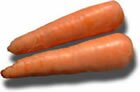
*Eating carrots are great for your eye health preventing cataracts and improving your night vision
*Drink some carrot juice to help treat headaches
*Great for your heart - preventing strokes, heart attacks, heart disease and cardiovascular diseases and cancer
*Helps treat conjunctivitis (pink eye)
*Help rid warts
*A carrot a day will give you great skin and healthy hair
*Carrots are great for your bones ultimately preventing osteoporosis and other bone diseases
*Helps soothe and treat sunburns and minor burns
*If you want to quit smoking start munching on carrots during the day
*Carrots help prevent and protect you against food poisoning
*If you are a smoker or are continuously around smoke - eat carrots daily to prevent emphysema
*Great antioxidant and anti-aging food - helping slow down the wrinkle process and muscular degeneration which in essence prevents blindness when you get older
*Helps treat asthma and respiratory problems
*Helps treat infertility if you can’t get pregnant right away and male impotence
*If you are experiencing diarrhea or constipation eat some carrots
*Helps keep blood pressure levels healthy
*Helps lower cholesterol levels
*Helps treat angina
*Helps cleanse and detoxify your body
*Help prevent anaphylaxis attacks
*Helps treat liver problems
*A carrot a day will keep the lung cancer away by 50% I’ll take those odds and munch on a stick or two!
*Also, helps reduce chances of developing cervix, ovarian, prostate, esophagus and larynx, colon, bladder, and breast cancers because of the powerful carotenoids carrots contain also helps with cell regeneration
*Helps digestive problems such as ulcers or colic
*Help maintain a healthy blood sugar level
*Helps boost your immune system - aid against colds and flu’s
Note: eating excessive amount of carrots may cause the skin to yellow temporarily (this is considered harmless, just reduce your intake). Also, the carrot seeds are a nerve tonic and will induce abortion. So, reduce the amount or avoid it during pregnancy.Kitchen Remedies - Cucumber ( Cucumis Sativus )

History Of The Cucumber
The cucumber has been cultivated for at least 3,000 years in Western Asia, and was probably introduced to other parts of Europe by the Romans. Records of cucumber cultivation appear in France in the 9th century, England in the 14th century, and in North America by the mid-16th century.
The flesh of cucumbers is primarily composed of water but also contains ascorbic acid (vitamin C) and caffeic acid, both of which help soothe skin irritations and reduce swelling. Cucumber'e hard skin is rich in fiber and contains a variety of beneficial minerals including silica, potassium and magnesium.
The use :
1. To reduce heartburn or sooth acid stomach, drink fresh cucumber juice. The same applies for people suffering from gastritis or ulcer.2. To reduce swelling and soothe the eyes, place a cucumber slice over closed eyes.
3. Cucumber juice, when taken daily may help to control cases of eczema, arthritis and gout.
4. Cucumber can be used for skin problems because of its diuretic, cooling and cleansing property
5. Another benefit of cucumber is in helping to heal a range of illnesses – including lung, stomach and chest problem, gout, arthritis and tapeworm
6. High Blood Pressure? Cucumber Can Help You Cool Down
When people who participated in the DASH (Dietary Approaches to Stop Hypertension) Study added foods high in potassium, magnesium and fiber, their blood pressure dropped to healthier levels. Those people in the study who ate a diet rich in these compounds in addition to the other foods on this diet (low fat dairy foods, seafood, lean meat and poultry) lowered their blood pressure by 5.5 points (systolic) over 3.0 points (diastolic).
February 25, 2008
Kitchen Remedies - Coriander
Coriander holds a prominent position in the Indian kitchen. Coriander leaves are used to garnish various lentils and curry preparations. Coriander seeds, too, flavor many an Indian recipe with their richness.Properties
Coriander fruits contain volatile oil, lipids, starch, pectins and mineral substances. In fact, coriander's flavor comes from the etheric oil contained in proportion of 1,5% - 2,0% . This oil contains linalool (60% - 80%), pinene, dipentene, etc. The fruits contain fatty acids like petroselinic acid, proteic substances, amino-acids, sitosterols, tocopherols, cumarins, caffeic acid and chlorogenic acid. The aromatic contained substance - coriandrol - is a very good adjuvant in the treatment of liver cancer. At the same time, coriander leaves represent a powerful source of vitamin A, C, thiamin, riboflavin, vitamin K, folic acid, calcium, iron, magnesium and potassium. In small quantities it contains also niacin, vitamin B6, phosphor and zinc.
Source of dietary fiber, nutrients, and antioxidants:
Coriander is a rich source of dietary fiber and nutrients, such as iron, magnesium, and potassium. In addition, it supplies antioxidants that assist the body in various ways. In what ways, did you ask? Well, it boosts your immunity, fights aging, counters health-damaging free radicals, and much more. (I’m sure my grandma said the same things; the only problem was her vocabulary wasn’t as sophisticated.)
Anti-diabetic and anti-cholesterol properties:
Coriander is known to lower blood sugar by stimulating the secretion of insulin. As a matter of fact, in Europe it is called an "anti-diabetic" plant. It also helps the heart by lowering bad cholesterol and raising good cholesterol. Readers, do take this to heart.
Anti-fungal, anti-bacterial, and anti-inflammatory properties:
Coriander’s anti-inflammatory properties are used in treating arthritis. Here’s a remedy you can use to get relief from the ailment. Boil ground coriander seeds with water and drink the concoction. Feel a lot better? Well, I told you so. Coriander can also be used to treat bacterial and fungal infections.

February 24, 2008
Kitchen Remedies - Cinnamon ( Cinnamomum zeylanicum )
Cinnamon is an evergreen tree which is small and bushy. The dried leaves of cinnamon, along with its dried inner bark are used all over the world as a spice or condiment. It has a pleasing fragrance and a warm, sweet and aromatic taste.

The bark of the tree is thick, smooth and light or dark brownish in color. The inner bark is obtained from carefully selected shoots. It is then cured and dried. While drying, the bark shrinks and curls into a cylinder or quill.
Cinnamon tree was known to ancient physicians even before 2700 BC. The Chinese used the bark of this tree as a medicine. The Romans also knew about the medicinal value of this bark. Eminent physicians like Galen, Dioscoredes and Sasaferes described various uses of cinnamon. Indians knew about the therapeutic uses of this herb before the 8th century. The oldest record available about the description of cinnamon is in the Torah, the Jewish religious text. It was, however, Khizvenee who was the first person to give details about the medicinal virtues of this herb in the 13th century.
Cinnamon is a native of Sri Lanka and tropical Asia. It has been cultivated from ancient times. It appears to have reached Egypt and Europe by the fifth century BC. This tree occurs in South India up to altitudes of 500 meters but is more common at lower altitudes, even below 200 meters.
An analysis of cinnamon shows it to consist of moisture, protein, fat, fiber, carbohydrates and ash, besides calcium, phosphorus, iron, sodium, potassium, thiamine, riboflavin, niacin, vitamins C and A. Its calorific value is 355.
Cinnamon also contains an essential oil known as cinnamon oil. This oil consists of substantial amount of eugenol. The bark and green leaves also contain oil. The root bark oil differs from both stem bark and leaf oils.
Benefits of Cinnamon
You probably have some cinnamon powder or sticks in your kitchen cupboard. It's a warming,stimulating, pleasant-tasting herb with many uses.
Cinnamon is widely used as a flavoring agent for candy, toothpaste, mouthwashes, and bath and body products. In herbal teas, cinnamon improves the flavor of less palatable herbs. And, of course, it is a staple for baking and cooking. But cinnamon has strong herbal remedy uses as well. In addition to having a germicidal effect, cinnamon helps improve circulation and relieve discomfort or issues in the abdomen. Cinnamon is more than just an everyday spice!
Uses of Cinnamon Perhaps you use cinnamon more in the winter. Spiced cider, prepared by steeping cinnamon sticks and other herbs in apple cider, is a traditional winter beverage. Cinnamon has an affinity for the uterus and digestive organs because it improves circulation and energy flow in the abdomen. In Chinese medical philosophy, pain, cramps, and congestion are considered blocked energy. Cinnamon is thought to move qi, or vital energy, when qi is "stuck" in the abdomen. Cinnamon circulates the energy to the rest of the body and is thought to have a warming effect.
Cinnamon has a germicidal effect. Almost all highly aromatic herbs display some ability to reduce fungal infections and bacteria levels, and cinnamon in mouthwashes and gargles can help treat just these types of infections in the mouth.
You may use small amounts of cinnamon tea to relieve gas in the stomach. Larger amounts of cinnamon will stimulate and warm the stomach, promoting acidity and a laxative effect. Use of cinnamon as a laxative may prevent flatulence and intestinal cramping that can accompany the use of some other laxatives.
Preparations and Warnings for Cinnamon
Like all herbs, there are some precautions you should take before using cinnamon medicinally.Cinnamon Preparations and Dosage
Dried bark and twigs are ground into fine powder or cut into small chunks for decoctions and drunk as a tea. Some herbal cinnamon recipes are below.
Tincture: Take 1/4 to 1 teaspoon at a time, usually combined with other herbs. Use the higher doses for a menstrual period that is much heavier than usual.
Essential oil: The volatile oil from cinnamon is distilled and used as a flavoring and aromatic agent. Use a single drop of cinnamon essential oil diluted in a sip of water as a mouth rinse to freshen your breath and for mouth and gum infections. Use eight to ten drops of cinnamon essential oil in a 2-ounce tincture bottle for flavor or medicinal effects. Keep essential oils out of your eyes.
Spiced Cider: You will need the following items.
- 5 cinnamon sticks
- 3 star anise
- 5 whole allspice kernels
- 5 whole cloves
- 1 tsp nutmeg
- 1 gallon apple cider
- 1 or 2 oranges
Cinnamon Precautions and Warnings
Avoid this herb if you have a high fever, are red and sweating, or have irritable bowel syndrome. If you have multiple allergies or sensitivities, use cinnamon cautiously. If you're pregnant, you may use cinnamon in baking, but avoid more than a cup of cinnamon tea each day.
Side Effects of Cinnamon Some people may experience a warming sensation or sweating, and some may experience headaches, nausea, or diarrhea after ingesting two or more cupfuls of a strong cinnamon tea or spiced cider. People with irritable bowel conditions and allergies may react to this herb. If you have a fever or diarrhea caused by irritation or stimulation in the intestines, such as with stomach flu, food poisoning, irritable bowel, or colitis, cinnamon may worsen the condition. (Most sudden onset, acute episodes of diarrhea are due to inflammation, irritation, or infection, and a strong dose of cinnamon could further stimulate the bowels.) If you have a severe irritable bowel, a bowl of cinnamon-flavored cereal could have a laxative effect.
Chamomile: Remedy for nervous stomach
Chamomile : Also known as: German Chamomile, Roman Chamomile, Matricaria Chamomilla, Matricaria Recutita, Chamaemelum Nobile

Since 1600, Europeans have used chamomile as a cure for insomnia, neuralgia, back pain, and rheumatism.
They were not the first to discover this herb; the ancient Egyptians included chamomile in their arsenal of herbal cures.
Used externally, it is thought to be good for skin inflammations and hemorrhoids. It is used as a liniment for bruises, hemorrhoids, inflammations and sores.
Used as a mouthwash, it can relieve the pain of toothache. Chamomile is put in shampoos to enhance golden highlights of blond hair. A cup of chamomile tea is the perfect nightcap!
Chamomile has also been said to be able to assist asthma if smoked. Used in this manner it is also said that it will relax the muscles. For centuries gone by this herb's relaxant qualities have been known and written about. It is able to ease the miseries of menstrual cramps. It is used as an antispasmodic to relieve digestive stomach pains. It is scientifically proven to relieve nervous strain and stress. Facts show and tests have proved that chamomile has been shown to be as effective as the opium based papaverine when used as a digestive relaxant. It is even known to be used when treating, kidney stones and jaundice and beneficial in all.
The herb has also proved to be an anti-fungal and antibacterial agent. It is used to reduce the inflammation in arthritic sufferers. The oil is very useful in treating bad burns, when gently rubbed across the burned area. For scrapes and burns brew a strong concoction and then use it as a compress when it is cooled. Once this was used to slow the advance of polio very successfully. Even sufferers of stomach ulcers have reason to use this tea. It's healing agents and relaxing qualities combine to prove itself as being highly beneficial to the relief and healing of this common ailment. Rich in Vitamin A it is also said to be effective in stimulating to immune system to work when you are feeling less than above the weather.
Caution: Chamomile is a member of the daisy family, and anyone who is allergic to other members of the daisy family, including ragweed, should not use the chamomile herb.
February 23, 2008
Kitchen Remedies - Chives (Erba Cipollina)
The Herb
A more subtle member of the onion family, the tasty chive plant grows long tube-shaped leaves that are peppery, yet pleasant and mild in flavor. By definition, the word chive suggests the whole plant, whereas the plural, chives, refers specifically to the spicy leaves used for seasoning. While the origin of chives is unknown, plant historians maintain the hypothesis that they were first found in Central Asia. Today, grown practically everywhere in Europe (predominately in northern Europe, Greece, and Italy), the chive plant is hearty and easily cultivated. So much so, it was popular even among ancient civilizations. The Romans cooked with chives, which are mentioned in the illustrious cookbook of Apicius. The spice was repopularized during the Middle Ages by Marco Polo, who is said to have carried the spice back to Europe from China. By 1806, chives had already made their way across the Atlantic and into America. There, the Dutch settlers, chive enthusiasts, sowed cow pastures with seeds from the plant in the hopes of creating chive-flavored milk.
The plant's characteristic bright green stalks and tiny purple flowers (also edible) are as decorative as they are delicious. The vibrant colors make either part of the plant an eye-catching addition to any dish.


Healing Properties
Chives contain significant amounts of vitamins A and C. They are hailed as an antibiotic and antiseptic, and have a reputation for stimulating the appetite and facilitati ng the digestion of fatty foods. The juice of the plant is sometimes used as an insect repellant, and has fungicidal properties effective against scab and mildew.
Nutrition Highlights
Chives (raw), 1 Tbsp (3g)Calories: 0.9
Protein: 0.09g
Carbohydrate: 0.13g
Total Fat: 0.02g
Fiber: 0.075g
Kitchen Remedies - Cabbage
Cabbage is a vegetable plant that has many species, such as: Broccoli, cauliflower, kohlrabi and more.
Cabbage is a popular vegetable that is used for cooking and is also known for its medicinal properties (it said to contain chemicals that can prevent cancer). The history of its uses can be traced to the Greek era, where the Greeks used fresh white cabbage juice to relieve sore or infected eyes. During those times, the Romans and Egyptians would drink cabbage juice before meals to prevent intoxication. Precaution: do not eat red cabbage raw. Avoid cabbage if you suffer from goiter, or take MAOI antidepressants. Cooked red cabbage can cause constipation and irritation of colon.
Benefits of Cabbage:

1. Cabbage is anti – inflammatory vegetable
2. Cabbage contains lactic acid that acts to disinfect colon
3. Cabbage can also be used to reduce headache pain
4. Another benefit of cabbage is in it's anti –cancer properties and is also said to be able in treating other skin conditions
5. Drinking cabbage juice from the stem is a good remedy for ulcers.
The use :
1. Drink fresh cabbage juice if you suffer from gastritis
2. This is another benefit of cabbage. Drink 25 – 50 ml cabbage juice everyday to treat headache, asthma, bronchitis and other digestion problems.
3. White cabbage juice dabbed on mouth ulcers will make the healing faster.
Tips :
1. Don’t buy halved or quartered heads of cabbage even if it’s well wrapped. As soon as the leaves are cut, cabbage will loose it’s vitamin C2. Wash cabbage only when you are ready to use it.
3. Look for solid, heavy heads of cabbage, with no more than 3 – 4 loose outer leaves.
Kitchen Remedies - Basil
Basil is an herb that is used in a lot of dishes and cuisines. The leaves are used dry or fresh. The basil is a part of the mint family.
The basil is a herbaceous annual culture plant, ramified from the ground, 20-60 cm tall with hairy stems, round-oval leaves and white or reddish flowers.
The basil has been known since ancient times and is a holy plant in India, very much appreciated by Egyptians, too; bouquets of basil were found in the Egyptian pyramids.
An aromatic plant, the basil is used in the culinary art as a seasoning for diverse meat and sauce dishes. Traditional medicine uses basil as a remedy for chronic gastritis and stomach aches.
Pharmacological actions: sedative, diuretic, antiseptic.
Starting from the essential oil content of the basil, as related to the other active elements, basil is recommended in the treatment of gastro-intestinal and renal affections, bronchitis and fever.
The use of basil leaf tea is recommended in nervous system fatigue, insomnia and painful menstruation. To avoid the unpleasant effects of insect stings rub the wounded spot with fresh basil leaves or with the juice from fresh basil plants.Health Benefits of Basil and applying techniques:
The infusion is prepared of 1-2 spoonfuls of basil leaves, shredded, boiled in 250 ml of water. The tea is left to infuse 2 minutes. Drink 2-3 cups a day. It is recommended to drink a cup after every meal. This tea treats distention and intestinal colics, gastric ulcer, anorexia, urinary infections, diarrhea.

20 g of minced basil plants are left to macerate in 100 ml of 70 degrees alcohol. The macerating process lasts 15 days. After macerating, it is filtered and put in a well sealed bottle. For internal use is administered to children 3-5 drops in 100 ml of water 3 times a day. Adults take a spoonful of tincture in 100 ml of water, 3 times a day. For external use the tincture will be diluted in water in a ratio of 1/5 and can go to 1/10 for more sensible patients. In case of insect stings, wounds, eczema, tampon with tincture or apply compresses.

February 22, 2008
Arnica
Arnica Montana is a herb which has been used from the oldest of times to cure wounds. Starting in the 16th century this herb has been used In North America, Germany and Russia due to its anti-inflammatory and calming effects. It should not be confused with Arnica Chamissonis, which is not a medicinal herb, but a decorative one.
The active compounds contained by arnica are its volatile oil, carotenoids, flavornoids, and triterpenic alcohol. Its roots contain volatile oil (0.5 - 1.5 %), caffeic acid, inuline, thymol, and saccharose.
Arnica has antiseptic, anti-inflammatory, antibacterial, decongestive and antifungal properties. It also stimulates the forming the granular tissues and thus accelerating the healing process. It eliminates micro-organisms and keeps bacteria and pathogenic funguses from multiplying.
The arnica flowers are used for treating the pale face skin complexion, wounds, bruises and burns. It should be noted however that the arnica flowers are not harmless because the arnica tincture can be an irritant when applied locally on skin or even internally in small doses can provoke gastro-enteritis or the paralysis of central nerve system. Other medicinal uses of this herb involve the treatment of bruises, dislocations, bacterial infections, skin cancer, bronchitis, tonsillitis, pharyngitis, flu, lung virosis, cystitis, nephritis, kidney infections, coronary insufficiencies, hypertension, breastplate angina, cerebral trauma, headaches, paresis, semiparesis, insomnia, heart palpitations, nightmares, night terrors, moral depressions, neurosis, hysteria etc.
Ointments based on arnica and black bryony - have the same usages as the other products containing arnica. Arnica creams are renowned for their ability of treating acne.

Apple, the King of Fruits
Apple is also known to contain free and combined organic acids , pectin's , proteins , Ca, Na, Fe, K, P and in small quantities Si ,Al , S, Co etc.
Apples also contain Vitamins A, B, C and PP in the exterior part of the fruit. Very important is the fact that the skin of the apple contains two times the quantity of Pentatonic acids and vitamin C than in the pulp.

Uses
Apples regulate the digestive system, preventing constipation and stopping diarrhea; also neutralizing the effects of rich fatty foods. They help purify the blood, clear gout and rheumatism, and prevent gallstones. They also help to keep the teeth clean.
Tea made from apple tree bark is an old fashioned remedy. It is said to be a tonic, relieves biliousness and intermittent fever, helps digestion (too much stomach acid, eat sweet apples; not enough stomach acid, eat sour apples), dysentery, boils, insect stings, rabid dog bites, and toothache.
Peeled and grated apple relieves flatulence and diarrhea. A fasting diet of 1 or 2 days of unripe apples should do the job. As a laxative, eat 2 or more apples, very effective. Apple peels can be dried and made into a tea, recommended for rheumatism, regulates blood sugar in diabetes. Apple wine is an ancient cure-all, mentioned by Galen in the 2nd century AD. Wine at least 2 years old should be used. Apple juice will turn to apple cider and if aged will become hard apple cider with alcoholic content.
Studies show that apples can reduce blood cholesterol levels. According to one reference, the ordinary apple cider is not fit to be used.Aloe Vera, the "harmonious remedy"
Aloe vera is without a doubt the medicinal herb most widely known for its noticeable impacts on health and at the same time the ingredient most widely used in the cosmetic industry. Not one study conducted so far was fully able to explain the wonders which lie within this herb and how its compounds work together in a miraculous way to bring about the treatment or the alleviation of some of the most serious illnesses like cancer or AIDS.
The most oftenly used substance from this herb is the aloe gel, a thick viscid liquid found in the interior of the leaves. The leaves are used in the treatment of burns and the aloine - a bitter milky yellowish liquid is used as a laxative. The herb contains: 20 minerals (Calcium, Magnesium, Zinc, Chromium , Selenium), 12 vitamins (A, B, C, E, folic acid), 20 aminoacids from the 22 which are necessary to the human body, over 200 active components including enzymes and polysaccharides. All the active substances enumerated before contribute to the therapeutical value of the herb. We shall move on to presenting the main effects that the herb has over the human body: it toughens up the immune system owing to the 23 peptides contained by the aloe vera, it accelerates and regulates the methabolism, purifies the human body from toxins, bringing about a feeling of calm. Moreover, aloe vera has an antiseptic effect (by distroying the bacterias, viruses and fungi), disinfectant capabilities and can also stimulate the cell-renewing process. Aloe vera nourishes and supports the digesting of aliments. Cutting across the human organism, aloe vera manages to bring the human body to a general balanced state.
Aloe vera has proved its efficiency from the simplest allergies to the treatment of wounds and skin infections and even to its usage in alleviating more serious afflictions. With the help of this herb a wide variety of internal and external afflictions are controlled, like: asthma, virosis, arthritis, arthrosis, gingivitis, bronchitis, pharyngitis, intestinal inflamations, constipations, obesity, sprains, muscle strains, cutaneous inflamations. The efficiency of the herb was also proven in the cases of anemia, deficiency illnesses, insomnia and depressions and the B-sisterole from the Aloe vera brings about the lowering of the cholesterol level. Also, this herb is used for controlling the side effects of chemotherapy and radiation therapy, diabetes, hepatitis and pancreatitis and multiple sclerosis.
A wide array of products with curative and therapeutic effects is obtained from aloe vera. This herb is one of the main attractions of the pharmaceutical and cosmetic industries and also the most widely used ingredient - starting from vitamins and laxatives to face creams and body care lotions. Aloe vera gel contains B-sisterole, powerful anti-inflammatory and anti-cholesterol formulas and lupeol - a strong antiseptic tranquilizer. The aloe-based lotions and gels are used as protections against the powerful sunlight and as a remedy against sunburns. Ointments having aloe as a main ingredient moist the skin and protect it against bug stings and scratches. Furthermore, the aloe-based ointment is efficient in treating acne. Owing to its proprieties, Aloe vera was incorporated in the composition of deodorants.
What should be noted is the fact that this herb can be also administrated internally due to its high nourishing influence. When mixed with other fruits, aloe vera can be ingested as an excellent natural beverage rich in vitamins and minerals. Also, it is recommended that it is ingested during travels to prevent dehydration.

